


Jesus Heals the Man with Dropsy: A Lesson in Compassion vs. Tradition
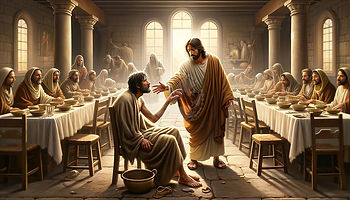
In our ongoing study of the supernatural acts of the Lord Jesus, we arrive at a powerful moment of confrontation and compassion in Luke 14:1-6. Today, we are focusing on Jesus healing the man with dropsy (modern-day edema). While this account takes place during a quiet Sabbath meal, it reveals a profound tension between cold religious tradition and the heart of God. As we examine this miracle, we see how Christ prioritizes human life and mercy above the traps set by His critics.
1One Sabbath, when Jesus went to eat in the house of a prominent Pharisee, he was being carefully watched. 2There in front of him was a man suffering from dropsy. 3Jesus asked the Pharisees and experts in the law, "Is it lawful to heal on the Sabbath or not?" 4But they remained silent. So taking hold of the man, he healed him and sent him away. 5Then he asked them, "If one of you has a son or an ox that falls into a well on the Sabbath day, will you not immediately pull him out?" 6And they had nothing to say (Luke 14:1-6).
The Setup: A Sabbath Meal and a Stealthy Ambush
Luke informs us that Jesus was invited to dine with a “prominent Pharisee." Although the Pharisees were generally known for opposing Christ, Jesus still interacted with them over a meal. The Greek term translated as "carefully watched" suggests they were watching stealthily, from the corners of their eyes, possibly trying to catch Jesus in wrongdoing. Since it was the Sabbath, this could have been a setup to discredit Him for healing—an act they believed should be left to rest on that day.
Understanding Dropsy: The Man "Drowning" in His Own Body
Let’s examine the life and suffering of the man with dropsy, now known as edema. This condition causes swelling of the body parts due to fluid buildup, making them appear grotesquely enlarged. In a way, he was drowning in his own body fluid. Edema often results from failure of the heart, kidneys, or liver. Given his condition, he was close to death. Luke doesn’t specify which parts of his body swelled, but it was obvious to everyone present. If his legs had swelled, he would have had difficulty walking or standing. The religious crowd showed no concern for him; they only saw him as a means to trap Jesus. Jesus sensed the ambush approaching. The sick man was merely bait in the Pharisees' trap. The religious leaders generally believed that the suffering and poverty of the poor were punishments from God.
Christ's heart was compassionate towards the man. He remained firm in His principle that people come first, emphasizing how precious they are to Jesus. What action would He take? The room grew quiet as Jesus responded to their challenge. The Pharisees held the view that helping someone on the Sabbath was only permissible if their life was at risk.
Is it Lawful to Heal? Challenging Religious Indifference
Jesus redirected the attention from Himself to the Pharisees and lawyers observing Him. He has a way of asking questions that reveals a person's true feelings. Looking at them, He inquired, "Is it lawful to heal on the Sabbath or not?" (v. 3). The Greek word for lawful means authorized, permitted, or proper. Jesus was not questioning whether it was legal under Moses' law; He was asking for their judgment on what was appropriate. They were caught off guard by this question and were unsure how to reply. If they condemned healing on the Sabbath for this desperately in need man, their hardened hearts would be exposed, yet they also didn’t want to hinder Christ from healing on the Sabbath, thinking they had trapped Him. They recognized that Scripture does not forbid acts of mercy during the Sabbath.
4But they remained silent. So taking hold of the man, he healed him and sent him away. 5Then he asked them, "If one of you has a son or an ox that falls into a well on the Sabbath day, will you not immediately pull him out?" 6And they had nothing to say (Luke 14:4-6).
The Rescue: Why Mercy Outweighs Ritual
Jesus appealed to their common sense by first addressing their economic concerns. He asked, if the oxen they used for plowing fell into a well and were drowning, wouldn't they rescue them? implying they would need to buy another ox to replace the drowned one. He then extended his argument: if their son fell into a well and was drowning, wouldn't they do everything possible to save him? The man before them was drowning in his fluid, and he was someone's son. Shouldn't this son be saved from drowning? The passage ends with Luke noting that they had no response. This highlights how cold-hearted and indifferent false religion can be. God, please deliver us from such attitudes of indifference to the needs around us..
Continue Your Journey…
If you found this meditation meaningful, there is much more to explore about the life of Jesus on the All Studies page. Click the Gospel of Luke, then study 38, Luke 14:1-14, The Healing of a Man on the Sabbath.
YouTube video teachings at: https://www.youtube.com/@keiththomas7/videos
Comments